
When the Floodwaters Rise
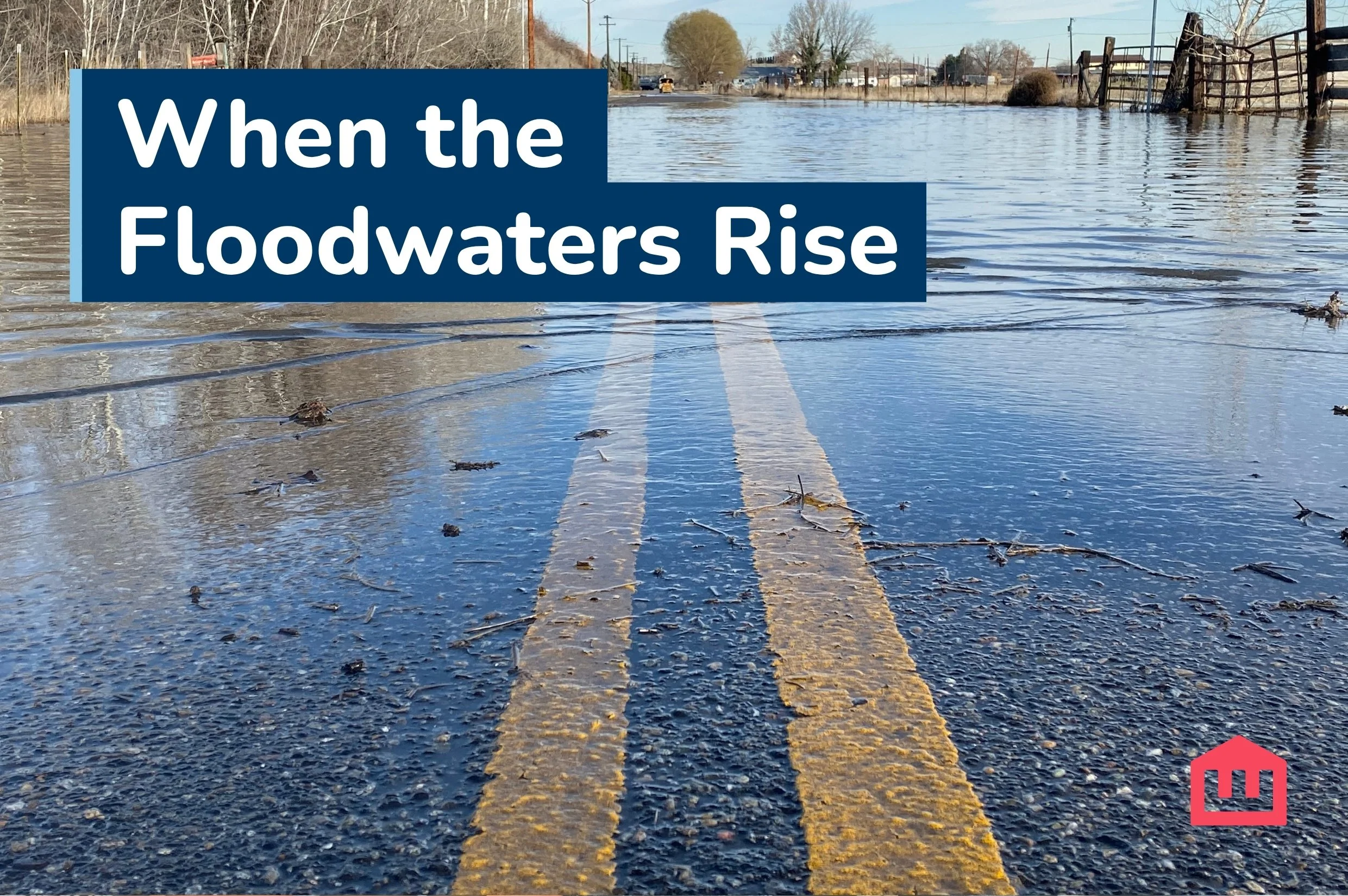
With all the rain this summer, flash flooding has become a common occurrence in many parts of Atlanta. Although in some communities (like ours) it’s more of a problem than in others.
The city stormwater system is a subject we’ve been discussing for more than two years in community meetings. For decades, heavy rains have often resulted in stormwater and raw sewage flowing through the neighborhood.
One reason is Peoplestown and surrounding areas still rely on the combined sewer system installed during the late 19th and early 20th centuries. Our community also happens to sit “downstream” from several major developments, including Center Parc Stadium and Georgia State University.
City leaders have proposed a number of ways of addressing the problem, including the recent construction of a massive underground sewer vault, which some residents have derisively dubbed “Poop Park.”
To understand their frustration with the situation, we have to go back some years and consider how the issue began.
Atlanta’s Sewer System
Long ago, combined sewer systems—that is, those that use the same pipes to carry stormwater and sewage—were standard infrastructure for cities. Before environmental laws like the Clean Water Act required sewage to be treated, cities relied on stormwater to help flush the pipes and carry sewage away from urban centers.
As Atlanta grew and much of the land was replaced by “impervious” surfaces like concrete, asphalt, and rooftops, the increased runoff became more than this outdated system could handle, resulting in not just floods, but environmental crises that jeopardized the health and safety of our community and others.
Modern sewer systems use separate pipes for sewage and stormwater. Over the last 25 years, Atlanta has separated more than 30 miles of combined pipes. Prior to the 1996 Olympics, there was even a push to separate those around what is now Center Parc Stadium.
That work was never finished, however, and Peoplestown—as well as much of south Atlanta—still relies on the combined system.
Broken Promises
Prior to the games, the construction of Centennial Olympic Stadium (now Center Parc Stadium) upended life in south Atlanta. Families were forced from their homes, vast swathes of the community were cut off from one another, and housing prices skyrocketed.
It also converted acres of land into “impervious” concrete plazas and asphalt parking lots just uphill from where our community sits.
At the time, advocates like Ms. Ethel Mae Matthews from Emmaus House and others worked to mitigate some of these detriments to the community. Initially, developers planned to boost capacity by separating the sewer pipes around the stadium, although in order to meet the deadline for the opening ceremony, the city eventually chose to patch and reroute the combined lines instead.
In the end, developers met the deadline and Atlanta hosted a successful 1996 Olympic Games, which brought many benefits for the city. Although for residents of Peoplestown and surrounding areas, the occasional stream of sewage acts as a potent reminder of the cost of broken promises.
Moving Forward
What should be done about the flooding in our community? What can be done about it at this point? Understanding the full story puts into perspective how complicated this question truly is.
It’s not just a question of engineering, but of justice.
There are many who would like to see the sewer lines separated, which is what the city promised and something that has been done in many other parts of Atlanta. But there are also good and practical arguments against doing so.
From a practical standpoint, a multi-million-gallon vault beneath a community greenspace may well be the best solution… for now. Although from a community standpoint, it’s hard not to hear echoes of the past in the families being displaced, the transportation being disrupted, and the feeling that, at the end of the day, our community is being asked to bear an environmental burden for others who have little pressure or incentive to manage their share of it.
Committed to Community
In times when there doesn’t seem to be any clear or fair path forward, we believe it’s even more important to take a step back and ground ourselves in the values and commitments that ought to guide everything we do. These are ours:
Emmaus House stands for justice and equity, rooted in faith and a deep respect for the dignity of every human being.
From our early days during the civil rights movement to the uncertainty of today, we will continue to love and learn, pray and mobilize, and laugh and cry with the incredibly resilient people of this historic neighborhood.
Whether we’re confronting floods, poverty, or other barriers to opportunity, we know that the only path forward is together.